
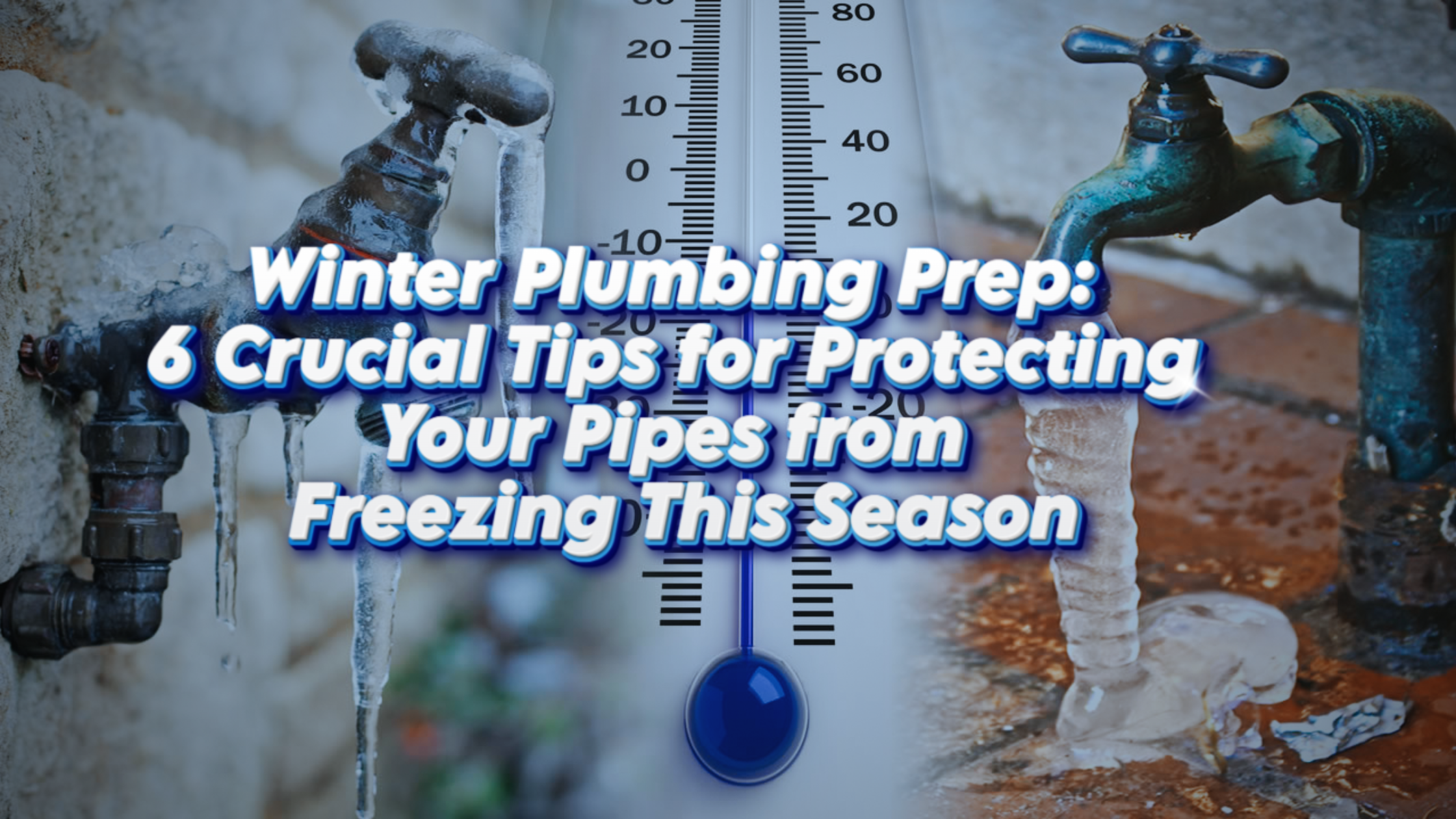
Winter in the Pacific Northwest can be unpredictable. One week it’s mild and rainy, the next we’re dealing with overnight freezes that can wreak havoc on your plumbing. While many homeowners focus on staying warm and weatherproofing windows, your plumbing system often gets overlooked and that can be a costly mistake.
At Brandon’s Family Plumbing, we see firsthand how freezing temperatures can lead to burst pipes, water damage, and emergency repairs. The good news? A little preparation goes a long way. Here are six essential steps you should always take before a freeze to protect your home and your plumbing.
How Freezing Temperatures Affect Your Plumbing
When temperatures drop below freezing, the water inside your pipes can freeze and expand. That expansion creates pressure inside the pipe, and eventually something has to give. When a pipe bursts, the damage often doesn’t show up until the ice thaws, at which point water can flood your home rapidly.
What surprises many homeowners is that the burst usually doesn’t happen where the ice forms. Instead, the pipe often fails at its weakest point, such as a joint or elbow fitting. That’s why prevention is so important once a pipe bursts, repairs can be expensive and disruptive.
1. Insulate Exposed Pipes
The first and most important step in preventing frozen pipes is insulation. Brandon emphasizes the need to insulate exposed pipes in areas like attics, garages, and crawl spaces, places where pipes are more vulnerable to cold temperatures. Foam pipe insulation sleeves and heat tape are both excellent products for wrapping pipes and protecting them from the cold.
Proper insulation helps keep the water inside your pipes from freezing and expanding, which could otherwise lead to bursts. Take a quick walk around your home and check for any exposed pipes that might need extra protection before winter fully sets in.
2. Disconnect & Drain Outdoor Hoses
Outdoor hoses are one of the easiest things to forget about when preparing for winter. But as Troutman explains, disconnecting and draining them is a simple yet crucial task. If left connected to your home, water can freeze inside the hose and work its way back into your plumbing system, potentially causing damage to pipes within the walls.
To prevent this, disconnect the hoses and let them drain fully. It’s also a good idea to cover your outdoor faucets with foam faucet covers or insulated bibs to shield them from freezing temperatures.
3. Cover Outdoor Faucets
As with your hoses, outdoor faucets are highly susceptible to freezing, so it’s important to protect them. Special foam faucet covers can be picked up at most hardware stores and will help shield these fixtures from the elements. A quick installation can go a long way in preventing unwanted freezing and subsequent damage.
4. Let Faucets Drip Overnight
A classic trick that still holds true: letting your faucets drip can prevent the water inside from freezing. During a deep freeze, it’s advisable to open a faucet farthest away from your water meter and let both hot and cold water run slowly at a trickle (about the size of a pencil lead). By keeping water flowing through your pipes, you reduce the risk of pressure building up that could cause pipes to burst.
5. Locate Your Water Shut-Off Valve
It’s not a step you can actively “prep” for, but knowing the location of your water shut-off valve is essential in case disaster strikes. If a pipe bursts or starts leaking, you’ll want to act fast. Knowing where your shut-off valve is will allow you to turn off the water supply and minimize the damage. If freezing pipes are a recurring issue in your home, you might want to consider installing a smart water leak detector or an automatic shut-off valve for extra peace of mind.
6. Open Cabinet Doors to Allow Heat to Reach Pipes
This might seem like an odd tip, but it’s a simple and effective way to prevent freezing. If you have sinks on exterior walls, keeping your cabinet doors open can help warm air circulate around the plumbing underneath the sink. Interior heat can better reach the pipes, helping to prevent freezing overnight when temperatures drop.